In the Community
Ignite Newsletter - August 2026
August 31, 2026

August 2026
Dear Friends,
This month marks Women’s Equality Day, a time to celebrate the way women leaders are shaping Montana’s future. It also reminds us that equality and equity are not abstract ideas; they are objectives we work toward through meaningful investments in Montana women and their leadership. This month’s Ignite highlights three examples of how Women's Foundation of Montana grantees are shaping Montana’s future through finance, advocacy, and research.
Native-led Community Development Financial Institutions are primarily led by women. They help businesses and communities thrive. In doing so, they strengthen families, preserve culture, and build economic security. The Women’s Foundation of Montana is proud to support several CDFIs across the state.
Child care is essential infrastructure that enables women to participate in the workforce and move toward wage equality. Yet it remains unaffordable for many families and caregivers are paid too little to make ends meet. This year’s Status of Montana Women report, produced with support from the Women’s Foundation of Montana, examines how decades of policy and public perception have devalued this vital work and offers a roadmap for moving forward.
A new study shows what happens when women lead: They start businesses, mentor others, and create solutions to community challenges. The study, co-funded by the Women's Foundation of Montana, illustrates women’s role in lasting economic resilience.
Together, these stories remind us that your investment in women means stronger families and communities, and a better future for all Montanans.
With gratitude,


When Tanya Plainfeather Gardner decided to start a business crafting porcelain elk teeth, trade beads, and flowers, she knew she couldn't do it alone. With support from Plenty Doors Community Development Corporation, a Women's Foundation of Montana (WFM) grantee, she gained access to mentorship, training, workspace, and the confidence to turn an idea into a thriving business.
Tanya's story is just one example of how Indigenous Finance is creating opportunities for women, families, and communities across Montana. At the 2026 Mountain | Plains Indigenous Finance Gathering in Billings, WFM grantees shared stories of growth rooted in the Indigenous values of trust, relationships, and shared success.
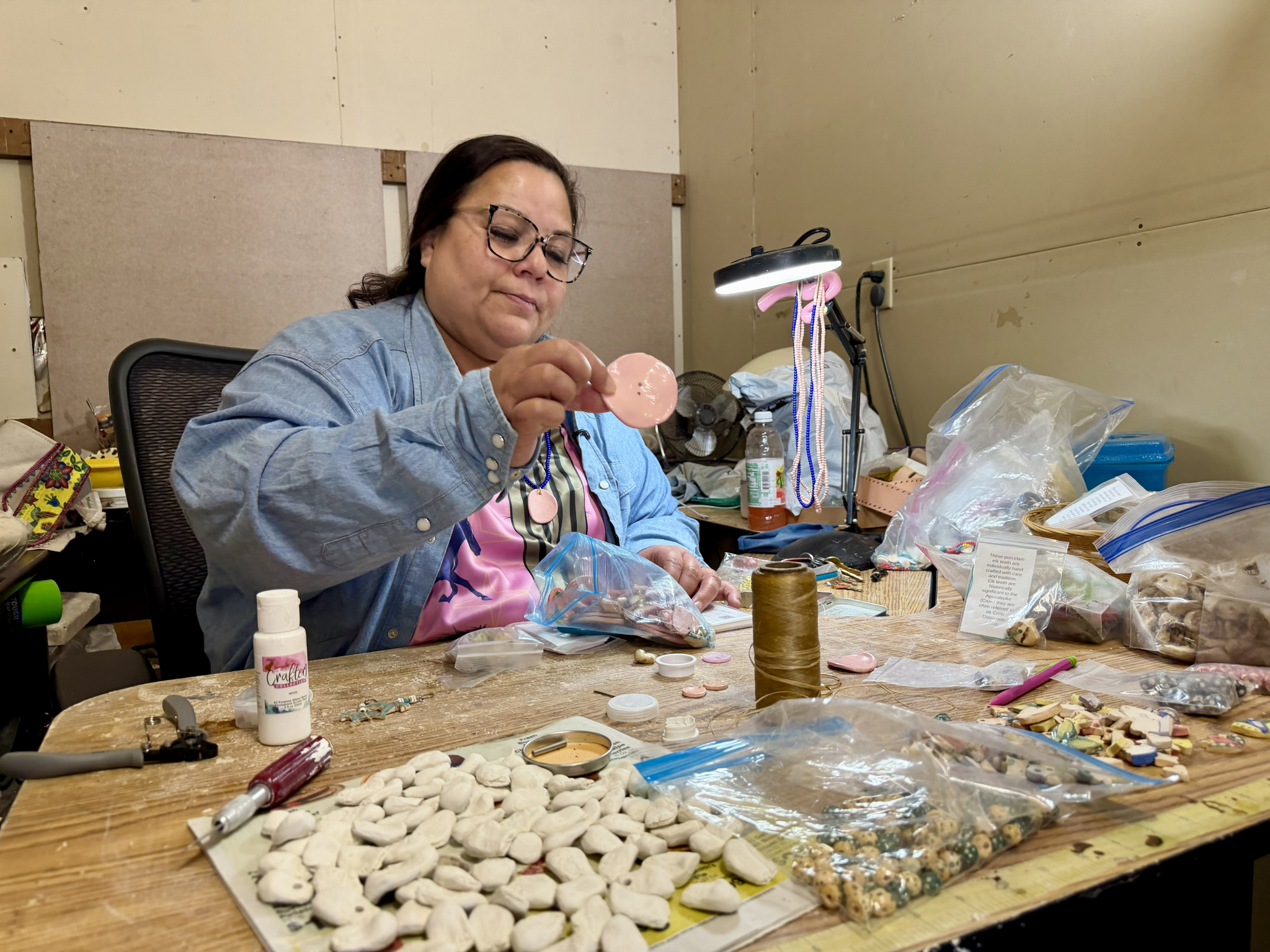
From artists and fashion designers creating spaces for healing and self-expression to mothers achieving dreams of land ownership and business owners expanding opportunities, these stories demonstrate the power of investing in women-led organizations and community-centered solutions.
Many Indigenous Finance organizations are led by women, and the businesses they support are often run by women as well. As those women succeed, they strengthen families, preserve culture, and build economic security throughout their communities
Read the full story about how Indigenous Finance is helping communities across the state
LEARN MORE: The Success of Native Community Development Financial Institutions, by Sweet Grass Consulting

Child care in Montana is a calculation for families and providers in which both sides of the equation feel like they are losing. While it is prohibitively expensive for many parents (if they can even find an available slot), the predominantly female workforce remains underpaid and underappreciated.
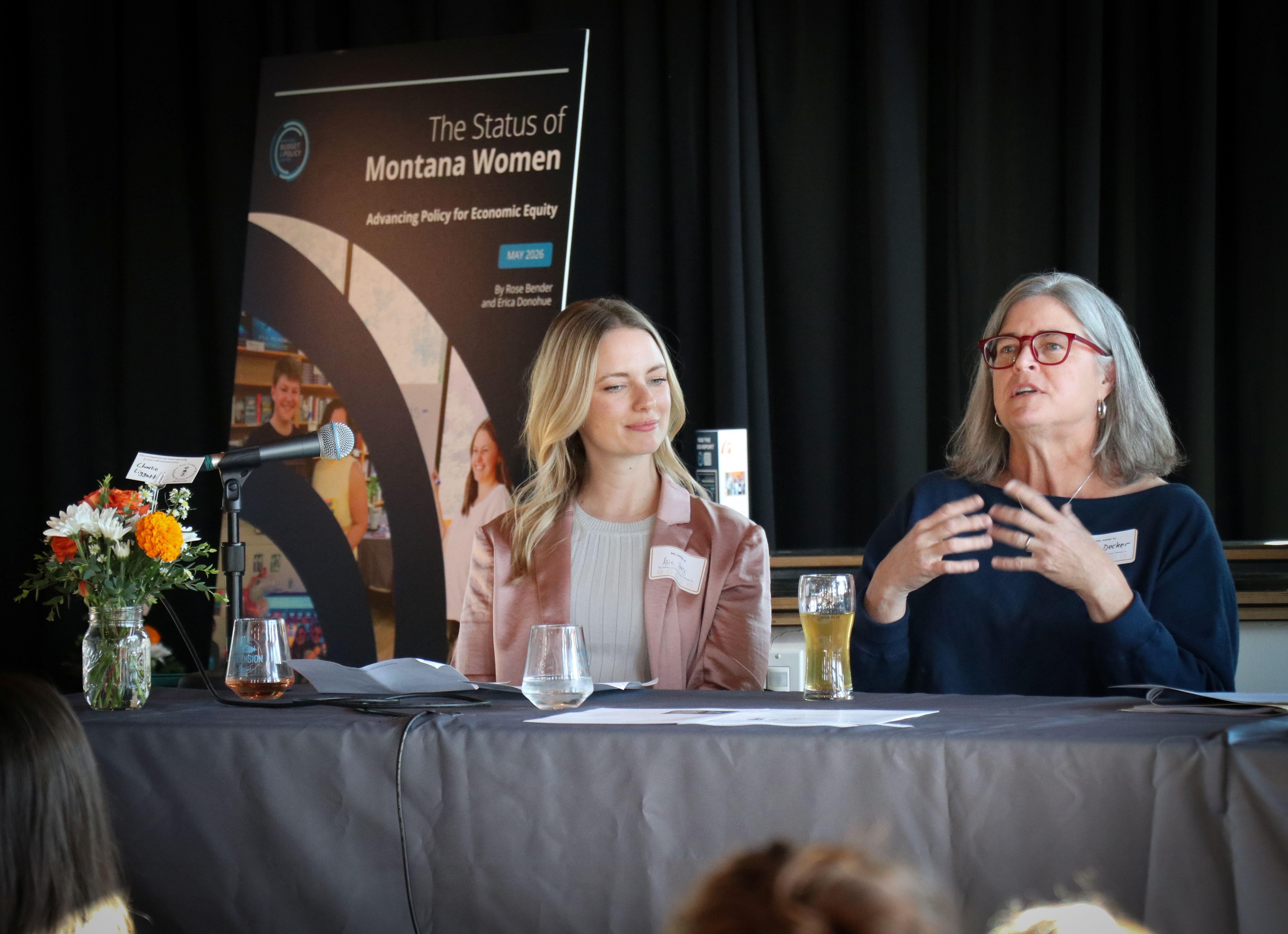
“It is invisible, but it is like the glue that makes everything work,” said Grace Decker, director of Montana Advocates for Children, who has spent her career working in early childhood education.
The 2026 Status of Montana Women: Advancing Policy for Economic Equity report, authored by the Montana Budget & Policy Center with support from the Women’s Foundation of Montana, found that while child care is essential for businesses to operate and women to participate in the workforce, decades of policies and public perceptions have devalued the work of caring for young children. As the report notes, the Fair Labor Standards Act of 1938, which was intended to protect workers from unfair pay practices, excluded caregiving labor.
The 2026 report found that challenges accessing affordable child care result in lower labor force participation among women. In Montana, the labor force participation rate is 76% for women, compared with 83% for men. The report also notes that in 2024, approximately 63,000 parents, or 11% of all Montanans working or actively looking for work, were unable to participate fully in the workforce because of family responsibilities and a lack of child care.

On August 26, the Women’s Foundation of Montana is celebrating the leaders shaping our state’s future.
A new University of Montana study co-sponsored by the Women's Foundation of Montana shows what is possible when women lead. In Meagher County, women are starting businesses, mentoring others, and solving community challenges. They're flipping the narrative about fading rural communities and creating a place where everyone can thrive.
The Women’s Foundation of Montana stands with women across the state working to develop powerful leaders, build financial stability, and strengthen families. This month, we honor them and continue working to have their backs.